

Moroccan Cinema Stands out for Storytelling Depth and Creative Audacity (Interview)
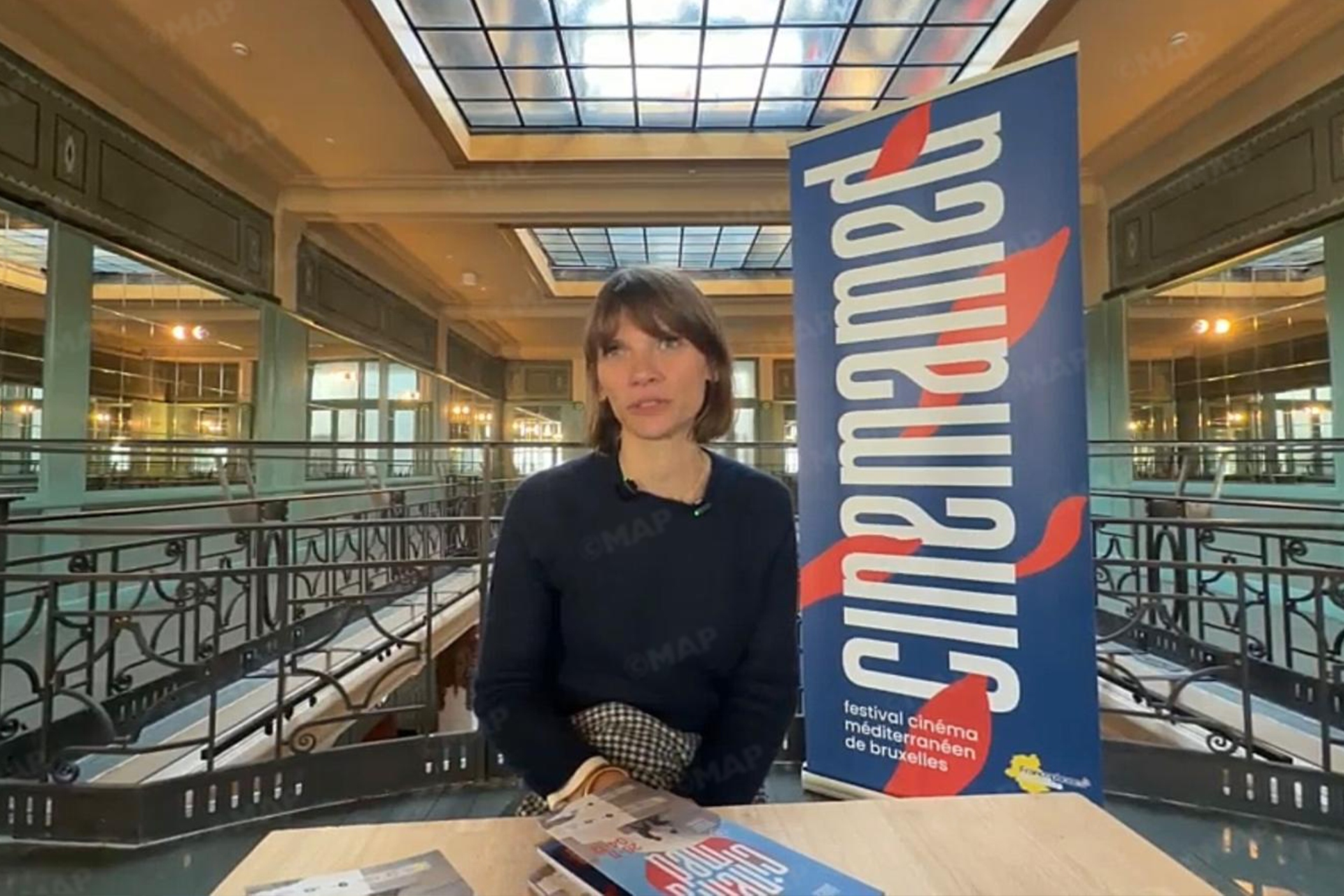
Brussels – Moroccan cinema stands out for the richness of its storytelling, its sensitivity and artistic boldness, as well as its ability to engage audiences and prompt reflection on society, said Head of Coordination and Programming at the Brussels Mediterranean Film Festival (Cinemamed), Aurélie Losseau.
In an interview with MAP on the occasion of the festival’s 26th edition, scheduled to run from November 26 to December 4, Losseau noted that the inclusion of six Moroccan films in this year’s programme reflects the richness of national film production and its growing prominence on the Mediterranean film scene.
She explained that the selection is primarily based on the cinematic quality of the works, with particular attention given to films by underrepresented male and female filmmakers. In this respect, the festival seeks to strike a balance between artistic excellence and audience appeal, favouring works that encourage reflection and offer a different perspective on society.
Among the Moroccan films selected is “Les Fraises” (strawberries) by Leïla Marrakchi, which was presented in the Un Certain Regard section at the Cannes Film Festival. The film follows the journey of Moroccan women workers who travel to Spain to earn a living, shedding light on their working conditions, a subject that aligns with Cinemamed’s selection criteria, Losseau said.
The programme also features “Banou”, a documentary by Mouhssine El Badaoui that offers an insight into the world of young girls practising fantasia in Marrakech. The film is “a true visual gem that immerses us in the heart of this Moroccan equestrian tradition, while showcasing young women seeking to take control of their own destinies,” she underlined.
Beyond this selection, Losseau highlighted the growing presence of Moroccan cinema on the international stage, pointing out that national productions are having an increasingly significant impact on the film industry. In this regard, she cited Leïla Marrakchi, Nabil Ayouch and Maryam Touzani, whose films are regularly featured in international film festival programmes.
This recognition is also rooted in the sensitivity of Moroccan films, which place viewers at the heart of their narratives and succeed in moving them emotionally. “Their artistic boldness and willingness to challenge conventions, often through strong female characters and journeys towards emancipation, are among the qualities particularly appreciated by the Cinemamed team,” she said.
In Brussels, the presence of Moroccan cinema at the festival takes on particular significance given the Moroccan community living in the Belgian capital, she stressed, noting that these productions “contribute to a better understanding of Morocco’s cultural and social realities, while building bridges with Brussels society and fostering social cohesion”.
Losseau added that Moroccan films enjoy a loyal audience, stressing the festival’s commitment to remaining accessible to everyone in a welcoming and open atmosphere. Its aim is to bring auteur cinema closer to wider audiences and demonstrate to distributors that these films have a genuine audience, which could encourage their theatrical release.
Alongside recent productions, Cinemamed also gives considerable prominence to Morocco’s cinematic heritage, with a screening of “Mirage” by Ahmed Bouanani, the first film to be restored by the Moroccan Cinematheque. This initiative offers audiences an opportunity to rediscover older works while placing them within a broader reflection on contemporary issues, Losseau concluded.
Related Articles


"The Roses of Marrakech," a profoundly human story about love, motherhood, and family ties
Celebrations for the Amazigh New Year Begin Across Morocco
Moroccan Colors Illuminate Parisian Olympia on Independence Day
Tetouan to Host 27th Edition of International Lute Festival
Festival of Sufi Culture: Immersion in the Spiritual World of the Boutchichiya
Leave a Comment