

Morocco’s Mohamed Maliki Asks ‘What If … Why Not?’ in Diplomatic Memoir
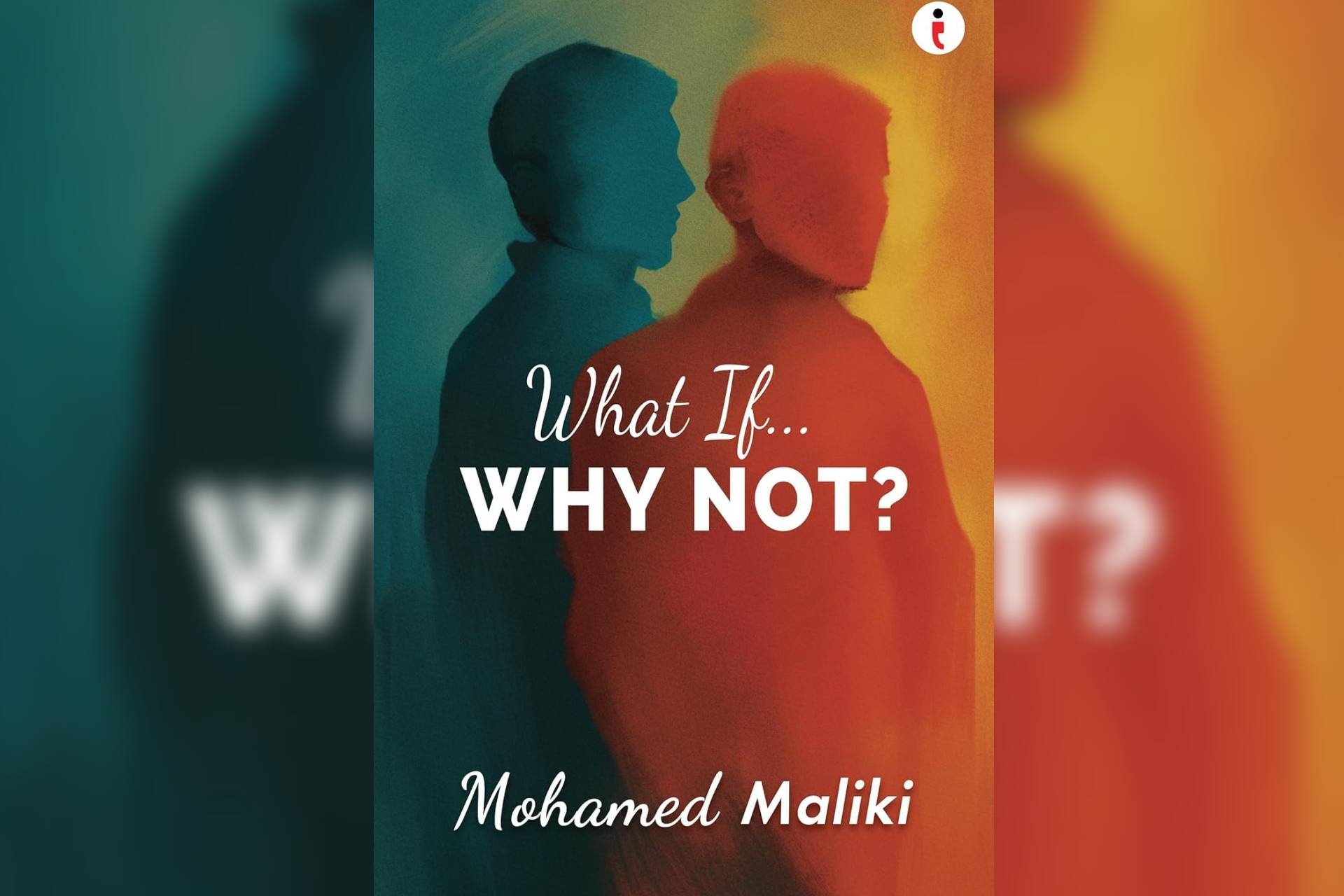
Rabat – Mohamed Maliki’s latest work “What If … WHY NOT?”, recently published by “Indie Press”, looks back on the Moroccan diplomat’s personal account of lessons that have shaped his professional journey and personal outlook.
Spanning 244 pages and divided into 19 chapters, the book takes readers across continents, from lively streets in Pakistan to stormy rains in Cameroon, weaving together memories of international negotiations with quiet personal moments.
The memoir is a warm and insightful reflection on a life devoted to diplomacy and much more. Through vivid storytelling, from fun moments and pitfalls to stressful and emotional moments, Mohamed Maliki shares the joys, challenges and human connections that have shaped his journey, reads the book’s back-cover blurb.
Beyond recounting his diplomatic service, Maliki reflects on the values and relationships that have given meaning to his journey. The work celebrates history, simplicity, friendship, family and resilience, while also paying tribute to the often-overlooked role of the spouses who accompany diplomats throughout their careers.
In the foreword, Indian diplomat and writer Shashi Tharoor describes the book as “a tender, wise and luminous chronicle,” tracing a life devoted not only to serving a nation but also to nurturing human connections. Philosophical without becoming prosaic and insightful without being prescriptive, the memoir offers a candid perspective on the human dimension of diplomatic life.
The late Ratan Tata, a friend of the author, similarly praised Ambassador Maliki’s ability to draw on a rich collection of memories and shape them into concise, engaging prose, subtly infused with humor. The book’s appeal, he noted, lies in its personal and relatable storytelling, which allows readers to connect with the experiences being recounted.
The book also delves into the more difficult chapters of the author’s life. According to the introduction, Maliki openly revisits traumatic experiences that profoundly affected him and reshaped his outlook on life. His perception of ethics and human behavior run throughout the narrative, anchored in a conviction that “the value of things overrides the price of things.”
His years abroad have broadened his understanding of different societies and cultures, enriched his professional experience and deepened his appreciation of human relationships. Yet, throughout these encounters, his attachment to his Moroccan identity has remained a defining constant.
Through the book, Maliki hopes to offer readers a journey as enriching and rewarding as the one he experienced in putting his memories to paper, turning a personal undertaking into an invitation to reflect on life, human nature and the experiences that shape us.
The first chapter, entitled “Why Should I Write?”, explores the impulse behind the book itself. Reflecting on the stories that shape every life, whether drawn from personal experience or the lives of others, Maliki considers why some memories are shared while others remain private.
Before embarking on his writing journey, he recalls asking himself two fundamental questions: “Why write, and what should I write?” He then turns to a question that ultimately became the inspiration for the book’s title: “Why shouldn’t I write?”
After all, “stories remain personal experiences or fiction, and people share their ideas when they want and for reasons only they know. Why not me??” he writes.
The book is also a tribute to two figures who left a lasting mark on the author’s life: his late father, Ssi Ahmed, affectionately known by that name, and Ratan Tata, whom he describes as a dear friend and a legend in his own lifetime. Tata passed away in 2024.
With over 35 years of diplomatic experience, Maliki has served in Pakistan and Cameroon and headed the Directorate of Asian and Oceanian Affairs at Morocco’s Ministry of Foreign Affairs in Rabat. He currently serves as Morocco’s Ambassador to the Republic of India.
Related Articles
Moroccan Abderrahim Naji Wins the Plan Mattei Africa Prize in Italy
Tetouan to Host 27th Edition of International Lute Festival

Morocco to Train Over 3,000 Teachers in Amazigh Language Education

Morocco Allocates Billions to Fight Illiteracy, But Results Lag Behind
The "Letters from the Maghreb" Book Fair in Oujda highlights the city's role as a hub for cultural decentralization (official)
Leave a Comment